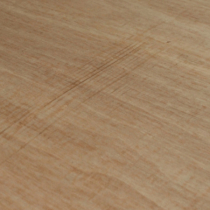
Marine & Exterior Grade Plywood Panel
EN-Certified Structural Performance
5.5/6mm x 2440mm 1220mm
PLEASE NOTE: Full size sheet materials (2440mm x 1220mm & 1525mm x 1525mm) are only available for local delivery or collection - as these are too large to be dispatched by courier.
This Marine Grade Plywood panel is manufactured and assessed in accordance with recognised European Standards, providing excellent strength, durability, and moisture resistance for demanding construction environments.
The Marine Grade sheet is produced to EN 636-3S (structural plywood for exterior conditions) and EN 314-2 Class 3, confirming suitability for use in high-moisture and exposed applications where long-term performance is required.
Our BS 1088 Marine Grade Plywood is a premium, structural plywood designed for strength, durability, and long-term performance in moisture-exposed environments. Manufactured from high-quality hardwood veneers with a Class 3 glue line, it complies with BS 1088, EN314-2 Class 3, and EN636-3, making it suitable for marine, exterior, and high-humidity applications.
Marine Grade plywood is often referred to as "WBP" ("Weather and Boil Proof") plywood, as WBP describes the waterproof adhesive system used to bond the layers. Marine Grade plywood is manufactured to BS 1088 standard and represents a higher-grade standard than other "moisture resistant" ("MR") plywood, because BS 1088 has stricter manufacturing controls and performance requirements compared to general exterior, MR or WBP plywood. Similar alternate references to Marine Grade plywood are: "BWR", or "Boiling Water Resistant" plywood, and "BWP", or "Boiling Waterproof" plywood.
Marine Grade plywood is now available in a range of thicknesses, including: 5.5mm, 9mm, 12mm, and 18mm. This versatile marine-grade sheet material offers strong bending performance, E1 low formaldehyde emissions, and reliable, professional-grade results.
Standards & Compliance
- EN 636-3S – Structural plywood for use in exterior conditions
- EN 314-2 Class 3 – Bonding quality suitable for exterior and marine-type environments
- Phenol formaldehyde (WBP) bonding
- Formaldehyde emission class E1
- Assessed under EU Regulation No. 305/2011
These standards confirm a high-performance exterior plywood panel suitable for structural applications.
Structural Performance
- Bending strength
o Major axis: Class F20
o Minor axis: Class F25
- Bending stiffness (Modulus of Elasticity)
o Major axis: Class E50
o Minor axis: Class E60
- Strong bonding performance tested to EN requirements
This ensures reliable load-bearing capability and dimensional stability in construction use.
Durability & Environmental Performance
- Suitable for exterior conditions
- High resistance to moisture and environmental exposure
- Biological durability: Class 1 to 3
- Thermal conductivity: 0.13 W/m·K
- Airborne sound insulation: 24.12 dB
The panel is designed for long-term durability when correctly installed and protected.
Recommended Uses
This plywood panel is best suited for:
- Boat interiors and non-certified marine applications
- Exterior wall sheathing
- Roofing and decking sub-structures
- Flooring and mezzanine decks
- Agricultural buildings
- Sheds, workshops, and outbuildings
- General structural construction where moisture resistance is required
Installation & Edge Sealing (Important)
For external or high-moisture applications, all exposed edges must be sealed prior to final installation.
- Seal edges with an appropriate edge sealer, paint, resin, or waterproof coating
- This significantly improves moisture resistance and extends service life
- Failure to seal edges may compromise long-term performance
| Board Thickness: |
5.5/6mm |
| Standard Size: |
2440 x 1220 |
| Bond Class: |
BS EN 314-2 Class 3 |
| Durability/Service Class: |
EN 636-3 |
| Grades Available: |
Meets the requirements of BS EN 636-3, Plywood Specifications (unprotected exterior uses) |

 OGL Software